

“If, then, we have died with Christ, we believe that we shall also live with Him.”
Romans 6: 8-9
Because of the death and resurrection of Jesus Christ, Christians trust that death is not the end of life but the entry into eternal life with God. Indeed, as the prayers of the Funeral Mass remind us, we pass through death to reach the eternal dwelling made ready for us in heaven (Roman Missal). The Church’s funeral rites are an expression of our faith in the resurrection of the body and the life of the world to come. Through these celebrations, the faithful find an outlet for their grief and assist the deceased with their prayers. There are three parts to the funeral rite: the Wake or Vigil Service, the Funeral Mass, and the Burial.
The Vigil Service typically takes place during calling hours at the funeral home or church. A priest or deacon comes to lead a short service including brief readings from scripture and some prayers. This is a time for the community to gather with the family to mourn the death of their loved one and remember his or her life.
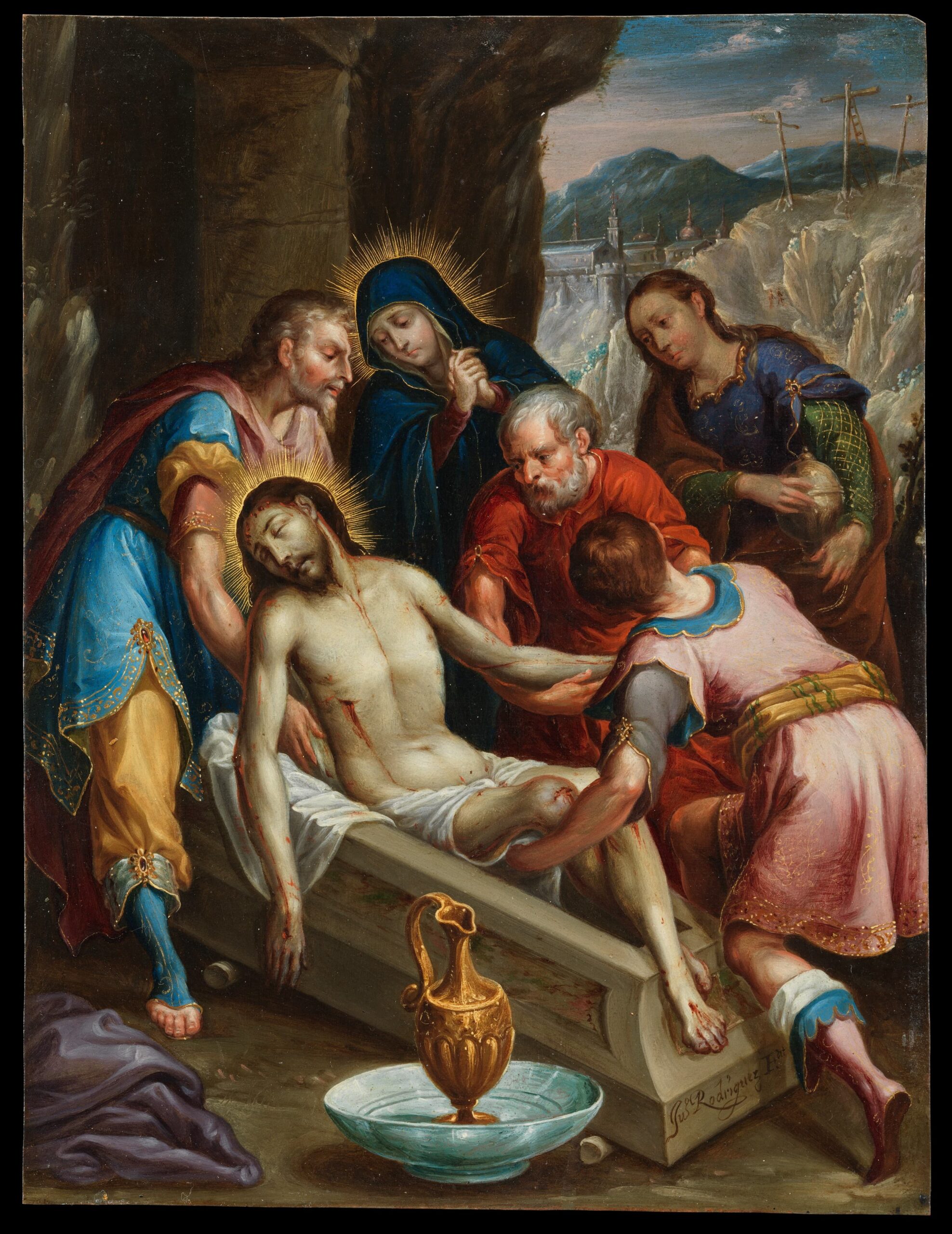
The Mass is center of the Christian funeral rite. Gathering for the Eucharistic celebration expresses the unity of the Church on earth with the Church in heaven, giving us hope of reunion with those who have passed on ahead of us. Thus, the Funeral Mass offers consolation to the grieving while also praising God for the gift of life and for Christ’s victory over death. Finally, the prayers of the community help the deceased as he or she enters eternal life.
The Burial or Interment takes place at the cemetery after the funeral Mass. This can be the same day as the funeral or, in instances of cremation or special circumstances, may be at a later date.
Frequently asked questions
- How can I begin making funeral arrangements for a loved one or myself?
- Many families begin making funeral arrangements by contacting a local funeral home. The funeral home then serves as a liaison between the family and the parish office to schedule the funeral and make plans for the Mass. If you do not plan to work with a funeral home, you may contact the parish office directly at 330-644-2225. Whether you choose to work with a funeral home or not, you would meet with a priest before the funeral Mass to select readings and hymns.
- Where can I find the scripture readings for a funeral Mass?
- The United States Conference of Catholic Bishops gives a guide to choosing funeral readings on this webpage. You can also borrow a book of reading selections from the parish office. These are suggestions of passages about death and resurrection, but other passages may be chosen if they are especially meaningful for the deceased or his or her family.
- What is the Church’s stance on cremation?
- The Catholic Church permits the faithful to choose cremation, however the burial of the body is preferred. This is because the presence of the body at the Funeral Mass and committal of the body to the grave most clearly express our belief that the body will truly be resurrected (Order of Christian Funerals, no. 413). One option for families who wish to cremate is to have the cremation after the Funeral Mass so that the body can be present during the liturgy. Funeral homes have rental caskets that may be used for this purpose. If the cremation must take place before the Funeral Mass, the cremated remains should be present in an appropriate urn or container for the funeral liturgy.
- Can Catholics have their cremated remains scattered, kept at home, or distributed among loved ones?
- Because of the great dignity of the human body which is a temple of the Holy Spirit, cremated remains should never be scattered, kept in a home, or divided. Cremated remains must be laid to rest in a cemetery or mausoleum so that the ashes of the deceased can be treated with dignity and care while he or she awaits the resurrection of the body. For more information on the Catholic Church’s teaching on cremation, consult this United States Conference of Catholic Bishops webpage or the document Ad Resurgendum cum Christo.